
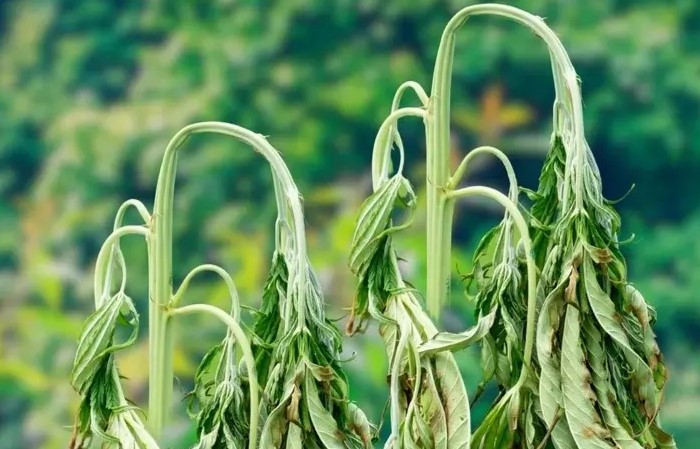
Agricultural products have the ability to grow optimally within a certain range of environmental factor fluctuations. Some of the most important environmental factors include heat, air and soil moisture, soil nutrients, and light. In addition, agricultural products are cultivated in completely artificial environments (greenhouses) or are subjected to agricultural operations (fertilization, irrigation, foliar spray, etc.), each of which has a significant impact on their growth. Fluctuations in environmental factors fall under the category of non-biological (non-parasitic) damaging factors. Non-biological damaging factors are non-contagious and are produced without the presence of pathogens. Therefore, they cannot be transmitted from sick plants to healthy ones. One of the most important non-biological damaging factors is the effect of heat. Damage to plants at temperatures above the threshold required for growth is faster and more severe compared to damage from low temperatures. Plants are rarely damaged by cold in their natural habitat because they have developed physiological adaptation mechanisms that allow the plant to go dormant during the winter season. However, high temperatures pose serious challenges for plants. High temperatures cause sunburn on the sun-exposed surface of fruits and vegetables, especially peppers, apples, tomatoes, onions, etc. Sunburn is a physiological disorder that occurs in plants on hot days of the year and significantly affects the quantity and quality of agricultural products. This disorder is usually caused by high temperatures and direct, intense sunlight, especially ultraviolet (UV) radiation. In these conditions, plants often face light intensity exceeding their photosynthetic capacity (excessive light), which reduces carbon dioxide (CO2) fixation. Sunburn damage in agricultural products reduces yield by 6 to 30%, which varies depending on the season and the type of fruit. In 2003, more than 25% of the apple crop in many orchards in Washington was damaged. Considering the significant damage from sunburn and recent climate changes in the country, managing and preventing this disorder is of great importance. Therefore, this scientific article examines various aspects of sunburn, especially effective strategies for preventing its damage.
Mechanism of Sunburn
Excessive absorption of solar radiation and high-temperature stress in plants disrupt the photosynthetic electron transport chain, leading to the production of reactive oxygen species (ROS). These processes induce oxidative stress in the plant, ultimately resulting in sunburn in fruits.
Sunburn causes damage to plant tissues, reduces marketability, decreases yield, and lowers the quality of fruits and leaves. The occurrence and severity of sunburn depend on climatic conditions, hormonal status, plant varieties, nutrition, and soil moisture levels.
Cause of Sunburn
Direct and prolonged sunlight exposure can create unfavorable conditions for plants. This radiation can quickly cause burning of plant tissues, especially in young and sensitive leaves. When the air temperature exceeds 30-35 degrees Celsius during the day, photosynthesis likely slows down, potentially reducing fruit production. Generally, high temperatures cause burning by rapidly evaporating water from the leaves and increasing stress on plant tissues. Additionally, insufficient water supply makes plants more susceptible to sunburn and reduces their ability to cope with high heat. Plants with thin, light-colored leaves are usually more prone to sunburn due to less protective covering and a reduced ability to shield underlying tissues from direct sunlight.
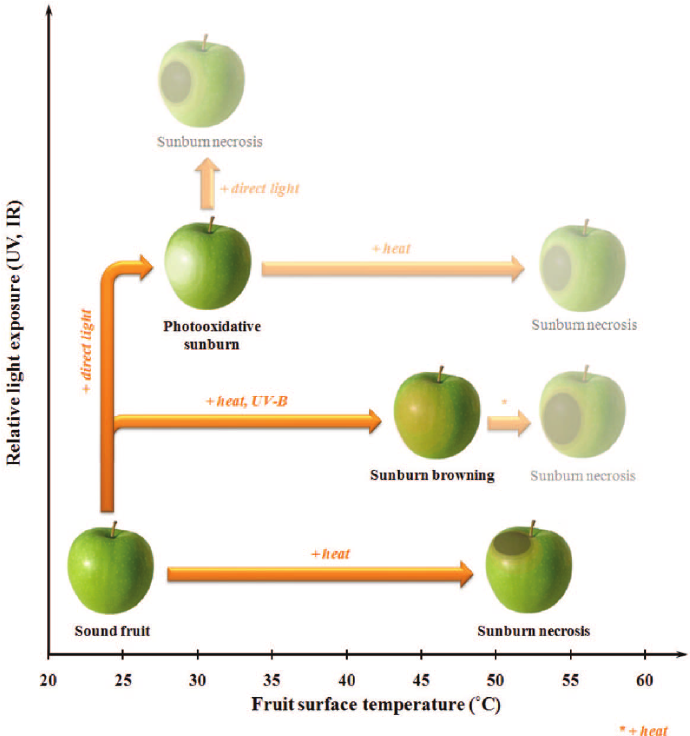
How Does Excessive Light Cause Plant Cell Death?
When light tolerance mechanisms in plants are activated, reactive carbon species (RCS) are produced as a result of oxidative stress and lipid breakdown in plants. These RCS can lead to the production of reactive oxygen species (ROS) by affecting enzymes and damaging cellular components, ultimately causing genetic disruptions and altering metabolic and physiological processes in plants. Hydrogen peroxide (H2O2) is a reduced form of oxygen that can convert into other molecules, disrupting biochemical processes and activating stress signaling pathways, leading to endoplasmic reticulum stress. If this stress persists, cells will initiate programmed cell death (PCD). Programmed cell death (PCD) is a controlled process that allows cells to systematically eliminate themselves. This process is activated in response to severe and persistent intracellular damage.
Effect of Fruit Size and Position on Sunburn Severity
Larger fruits are more susceptible to sunburn than smaller ones because larger fruits have a greater surface area exposed to sunlight, thus receiving more direct radiation and heat. The position of fruits on trees also significantly influences the risk of sunburn; for example, fruits on the outer edge of the canopy are more prone to sunburn.
Symptoms and Signs
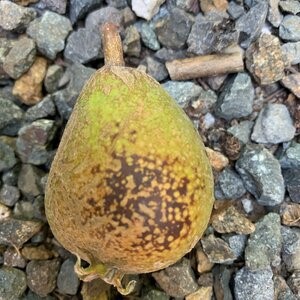
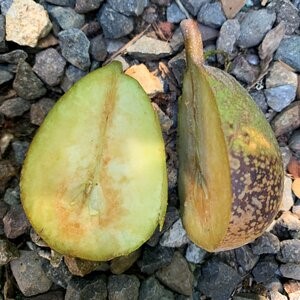
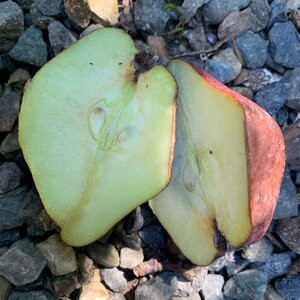
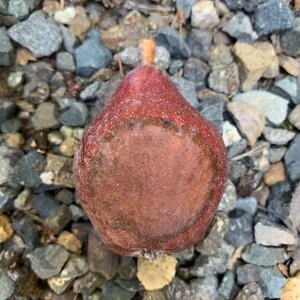
Sunburn typically manifests as superficial burns, brown or yellow spots, and tissue death (tissue rot), depending on the severity and extent of the damage. When a fruit is damaged by sunburn, its skin may crack or weaken. These damages can create a favorable environment for the entry and growth of fungi such as Alternaria.
Plants’ Natural Strategies to Combat Sunburn
Plants naturally employ several methods to cope with sunburn. Similar to human skin, fruit skin can adapt to solar heat. Natural protection against sunlight in plants is associated with the presence of antioxidants and heat shock proteins. Fruits exposed to direct sunlight early in the season develop greater tolerance to direct sunlight and high temperatures later in the season. Apples exposed to UV radiation and high temperatures typically reach their maximum levels of skin antioxidants and heat shock proteins after about three days. Plants can act as natural filters against UV radiation by producing compounds such as flavonoids and carotenoids. Additionally, plants can protect their tissues by altering leaf angle, increasing the thickness of surface layers, and modifying water absorption and utilization. However, despite plants’ natural mechanisms for combating sunburn, the damage caused by solar radiation can sometimes be so severe that plants cannot fully cope with it, potentially leading to plant death.
Recommendations and Prevention Methods for Sunburn Damage
- Use of Shade Nets: Direct sunlight, especially during peak radiation hours, can severely damage plant organs. Shade nets are used to reduce this damage, capable of reducing sunlight intensity by 12 to 25 percent. These nets reduce the intensity of the visible and infrared light spectrum, thereby decreasing heat intensity on trees and fruits. They also mitigate the damaging effects of ultraviolet radiation. Due to the net’s impact on airflow, a temperature difference is usually observed between the inside and outside of the shaded area. On hot days, the air temperature inside the shade net may be 1 to 3 degrees Celsius lower than the ambient temperature outside. According to research, the most significant protective effect of nets on the crop is through direct heat reduction on fruit trees.
- Fruit Coverings: Covering fruits before harvest modifies the microclimate around the fruit during its growth and development, reducing the incidence of sunburn and fruit cracking. This method is widely used in some countries to control this condition. It has been reported that plastic coverings, newspapers, and kraft paper improve fresh fruit weight and pulp weight. Covering fruits with mesh bags of white, green, yellow, gray, and blue colors effectively controls sunburn.
- Irrigation Method Modification: By focusing on providing adequate moisture, utilizing advanced systems, and employing correct irrigation techniques, sunburn damage can be effectively managed. These methods should be applied regularly and in accordance with climatic conditions and specific plant needs. Regular and sufficient irrigation, along with the use of drip irrigation systems, helps maintain optimal soil moisture levels and reduces surface soil temperature, consequently lowering the temperature of fruits and leaves. Irrigating at night can reduce soil temperature, prevent rapid water evaporation, and maintain higher soil moisture. In young orchards with weak root systems, irrigation should be performed multiple times daily. Mulching also aids in preventing sunburn by reducing water evaporation, regulating soil temperature, and decreasing the need for frequent irrigation. In sandy and light-textured soils, irrigation should be done multiple times daily.
- Avoid Severe Summer Pruning: Summer pruning should be done carefully to prevent the sudden exposure of fruits to direct sunlight, especially in hot weather.
- Selection of Resistant Species and Varieties: Choosing resistant plant species adapted to the specific climatic conditions of the region and capable of withstanding high temperatures and intense solar radiation is effective in controlling sunburn. Additionally, plants with physical characteristics such as tougher leaves or specific structures can better tolerate solar radiation.
- Maintain Planting Distance: The spacing between trees should be considered properly during orchard establishment to reduce the intensity of sunlight through increased shading. It is recommended to use a square planting system in plains and a rectangular system in mountainous areas.
- Prevent Pest Damage: Pests that damage fruit skin increase the fruit’s susceptibility to sunburn.
- Prevention of Improper Spraying or Pesticide Applications: Spraying solutions or pesticides during hot and sunny hours, exacerbates sunburn. The presence of water droplets on the fruit during sunlight exposure causes light to concentrate on specific parts of the fruit, and due to high temperatures, the fruit tissue is destroyed. Water droplets act like magnifying glasses, leading to intensified sunburn.
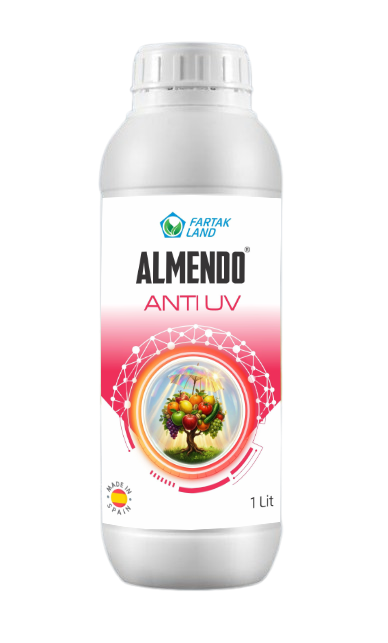
- Preventive Compounds: Spraying a kaolin compound at a concentration of 5 to 7 percent on the aerial parts of trees reduces the intensity of solar radiation absorption. Considering the importance of sunburn in plants and the need for effective solutions, ALMENDO ANTI UV has been specially designed to protect plants from intense solar radiation by creating a protective layer, thereby providing optimal conditions for their growth. ALMENDO ANTI UV contains antioxidants, polysaccharides, unsaturated fatty acids, and vitamins, which, in addition to preventing sunburn, aid in repairing damaged tissues and ensure plant health without leaving any spots or side effects on the fruits. This product is used as a foliar spray and must completely cover the plant surface. The best time to use it is during the warm months of the year, before the sharp increase in temperature. It can also be used upon the first observation of damage symptoms. It is recommended to use ALMENDO ANTI UV periodically at intervals of 12 to 20 days, depending on weather conditions and the plant’s needs. By utilizing ALMENDO ANTI UV, you can maximize the health, quality, and productivity of your plants without disrupting their natural processes, such as light absorption and growth.
- Integrated Crop Management: In general, if the leaf cover of plants decreases due to poor nutritional management, unfavorable pest and disease control, and improper pruning, leading to direct exposure of fruits to light, the severity of this condition increases. By adhering to proper principles of nutrition, pest and disease control, and correct pruning, the plant’s leaf cover is maintained, thus preventing direct contact of plants with sunlight, ultimately reducing sunburn damage. Appropriate irrigation and fertilization schedules, by improving vegetative growth and protecting fruits with leaves, reduce sunburn.
“I used the anti-UV product for grapes and it was effective in preventing them from becoming raisins on the vine. Thank you for your good product.
Thanks for sharing your experience with us