Silicon Element
Silicon, with atomic number 14, is the second most abundant element in the Earth’s crust after oxygen. This element constitutes more than 50% of soil composition (in the form of silicon dioxide). It is considered one of the main components of soil, which during soil evolution can be leached, redistributed, or accumulated. Although silicon is abundant in soils with concentrations reported up to 45% by weight. its compounds have very low solubility due to the strong bond between silicon and oxygen. Therefore, silicon in soil always exists in the form of silicates, bonded with other metallic elements, and cannot be directly absorbed by plants. Silicon is absorbed by plants from the soil in the form of monosilicic acid or anionic acid.
Silicon in Plants
All plants growing in the soil contain silicon in their tissues; however, there is wide variation in silicon content among different plant species and genotypes. Tissue analysis of various plant types shows that silicon concentration ranges from 1 to 100 grams of silicon per kilogram of dry weight, depending on the species. Comparing these values with elements such as phosphorus, nitrogen, calcium, and other nutrients reveals that silicon is present in amounts comparable to the macronutrients in plants.
Silicon plays an important role in balancing the uptake, transport, and distribution of mineral elements in plants. It increases the surface area and length of roots, thereby providing more sites for the absorption of mobile ions. Application of silicon stimulates fruit formation and accelerates fruit ripening.
Sources of silicon used in agriculture include silicate-based materials such as sodium silicate and potassium silicate, oxide sources like silicon dioxide, and also silicic acid.
The use of silicon in agricultural crops leaves no residue in edible products or the environment, making it a significant component in integrated pest and disease management programs. Scientific reports indicate that silicon helps control damage caused by pests such as stem borers, leafhoppers, and spider mites.
Adequate silicon in plants increases the ability to absorb phosphorus and, specifically in rice, improves resistance to iron and manganese toxicity. Silicon is not only beneficial in rice but also plays an important role in other crops such as wheat, maize, sugarcane, and soybean, contributing to improved yield and product quality.
Role of Silicon in Plants
The beneficial effects of silicon in various plant species and its crucial role in enhancing resistance to biotic and abiotic stresses, including diseases, pests, and nutritional imbalances, have been proven. Most of these beneficial effects are attributed to the deposition of silicon in the cell walls of roots, leaves, stems, husks, and glumes in plants.
- Resistance to Pests and Plant Diseases
The deposition of silicon in the cell walls of roots, leaves, and stems creates a physiological barrier. The accumulation of this element in plant tissues can mechanically control diseases caused by fungi and bacteria in various plant species and prevent infection. Thus, silicon increases plant resistance to pests and diseases. Silicon plays a significant role in the firmness of tissues in crops like maize and wheat, thereby increasing plant resistance to pests and diseases. Silicon influences the emission of plant volatile compounds caused by insect herbivory, which attracts more natural enemies (parasitoids and predators), leading to natural suppression of pest insects (Figure 1).
The silica layer acts as a physical barrier, limiting the penetration of fungal and bacterial hyphae into plant tissues. It also strengthens the plant’s immune system by inducing the production of defense compounds such as phytoalexins. This is particularly effective against diseases like powdery mildew, leaf spot, and blight. Silicon plays an effective role in the resistance of rice plants to fungal diseases.
- Resistance to Abiotic Stresses
Silicon helps conserve water within the plant by reducing transpiration. Thickening of cell walls and reduction in leaf stomata prevent water loss, making the plant more resistant to drought periods.
Silicon-rich stems are thicker and stronger. This is particularly important in crops like rice, wheat, and sugarcane, preventing lodging and stem breakage due to wind or rain, and facilitating mechanized harvesting.
The silica layer acts as an insulator, protecting the plant from temperature fluctuations and thermal stress (heat and cold).
- Neutralization of Heavy Metal Toxicity
One of the benefits of this element is increased tolerance of some plants to heavy metals. Silicon precipitates in the endodermis, reducing the transfer of cadmium from the intercellular free space. Another positive effect of silicon is increased resistance of rice plants to iron and manganese toxicity, meaning it reduces the uptake of iron and manganese by the plant. A study also showed that silicon reduced manganese toxicity in cucumbers.
- Improved Crop Yield
Silicon promotes better erectness of stems and leaves. This optimizes leaf positioning and increases sunlight absorption for photosynthesis. Furthermore, by reducing environmental stresses and maintaining leaf health, photosynthetic efficiency is preserved for a longer duration. Studies have shown that silicon application leads to an increase in fruit size, grain weight, and ultimately, overall crop yield. It also positively impacts product quality, such as increased shelf life after harvest.
Some plants, known as “silicon accumulators” take up very large amounts of this element. The most important of these include cereals (rice, wheat, barley, maize, sugarcane), cucumber and squash and strawberry.
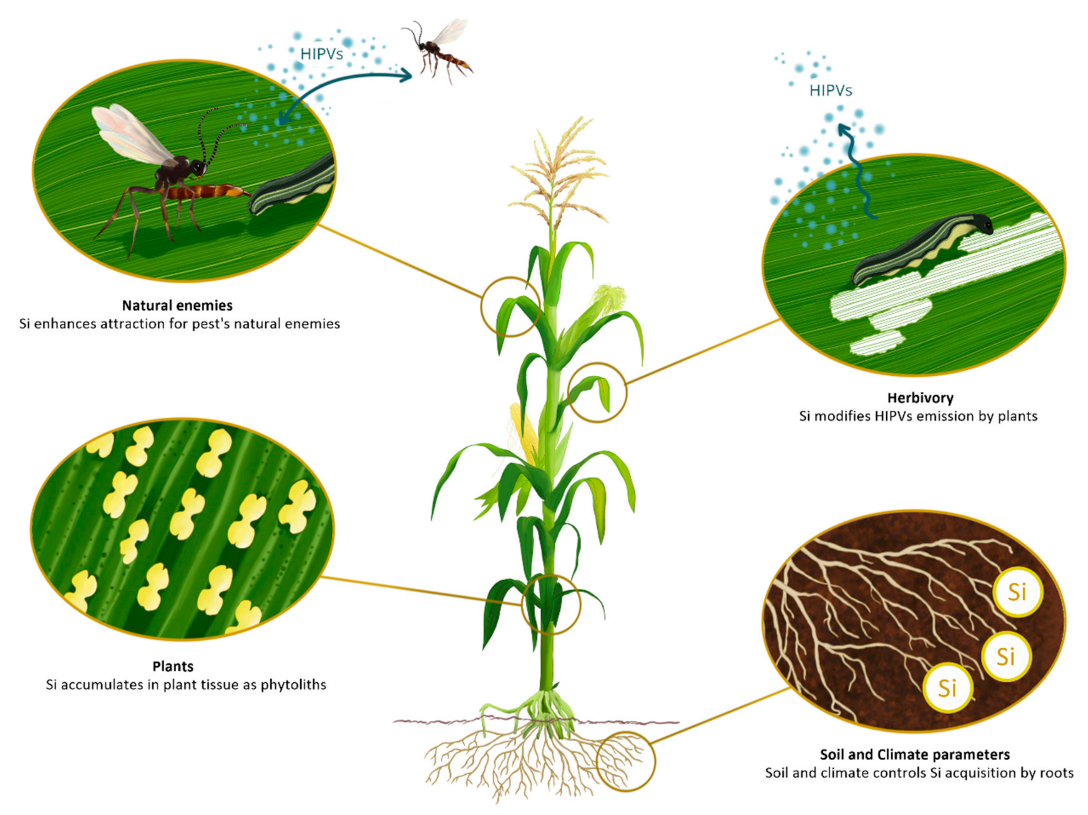
Figure 1- The role of silicon in the corn plant
Plants absorb silicon for their growth and self‑defense. Silicon is present in water and soil as a soluble substance called monosilicic acid. The plant absorbs silicon through the roots and stores it inside the leaves and stems—especially in the outer skin (epidermis)—in the form of tiny glass‑like particles called phytoliths. Phytoliths strengthen plant tissues, making it more difficult for insects to damage the plant.
On the other hand, when an insect attacks the plant, the plant releases volatile compounds (HIPVs), which attract natural enemies (parasitoids and predators) of the pest insect. Silicon can modify the release of these volatile compounds and thus influences the tritrophic (three‑level) interaction among plant–insect–natural enemy.
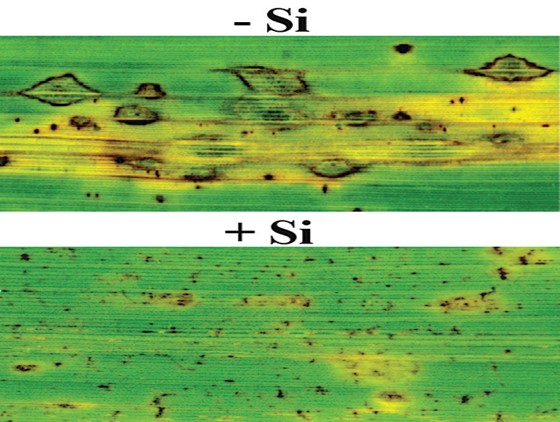
Figure 2 – Disease symptoms in rice in the presence and absence of silicon in the plant
Silicon deficiency makes plants more susceptible to pests and diseases. Lack of silicon leads to soft and drooping leaves, reduced photosynthetic activity, decreased grain yield, higher levels of insect pests, fewer panicles, and a reduced number of filled grains per panicle in rice.
ALMENDO Si Fertilizer
This formulation, containing 18% silicon by weight along with 2% amino acids and 8% potassium, has a distinct and superior effect compared with similar products on the market and effectively compensates for silicon deficiency in plants.
The use of ALMENDO Si increases photosynthesis in all agricultural crops. By improving pollination and enhancing the fertility of pollen grains, this product boosts plant performance. It is also a highly effective tool for absorbing excess moisture in plants, thereby preventing the development of plant pathogenic agents.
Mode of Action of ALMENDO Si
Silicon accumulates in the epidermal (outer) tissues of roots and shoots. Thickening of the silica and cellulose layer in the plant enhances its structural stability and increases its resistance to biotic (pests and diseases) and abiotic (environmental) stresses. Application of ALMENDO Si can increase root weight and volume. Silicon acts like a protective agent and improves plant tolerance to biotic stresses.
Silicon also increases plant resistance to abiotic stresses such as aluminum (Al) and manganese (Mn) toxicity, heavy metals, salinity, frost, and drought. In addition, it enhances soil resistance to erosion and reduces leaching of nutrients such as nitrogen (N), phosphorus (P), and potassium (K).