After harvesting, the necessary care for orchards is often neglected, and many growers do not realize the importance of this stage. This lack of attention can reduce the quality and productivity of crops in future cycles. Proper post-harvest management includes processes that help improve orchard conditions and better prepare them for future growth cycles.
Post-harvest horticultural practices to prepare the land and improve conditions for next year’s crop include various steps and activities. These practices help maintain soil quality, reduce pests and diseases, and increase crop productivity in future seasons.
Some important post-harvest practices:
- Post-harvest plant nutrition: This has a great impact on tree performance in the following year. After fruiting, trees consume a large amount of their energy and need nutrition and strengthening to get through winter and prepare for the next growing season. Proper post-harvest nutrition helps strengthen trees and prepare them for the cold season. The best time to feed trees is after harvest and until leaf fall. Proper nutrition can help combat diseases such as nematodes, canker, and leaf spots. Post-harvest nutrition prepares trees to withstand cold and winter dormancy and prevents damage caused by freezing. After harvest, using ALMENDO SET to strengthen next year’s buds is the most important nutritional step in fruit orchards.
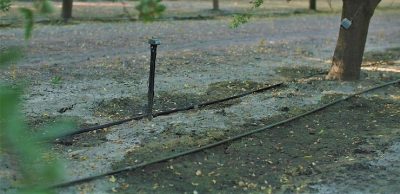
- Irrigation: After harvest, plants need water and nutrients to recover energy and store reserves. Proper irrigation helps maintain the balance of these elements and strengthens trees for the next season. Trees and plants need to regrow after harvest to prepare for the next growing season. Irrigation helps root growth and improves soil quality, providing the necessary foundation for better growth and fruiting next year. Post-harvest irrigation helps maintain soil moisture and prevents erosion. This is important for preserving soil structure and quality for future seasons. Lack of irrigation after fruit harvest will reduce flower bud formation for the next year.
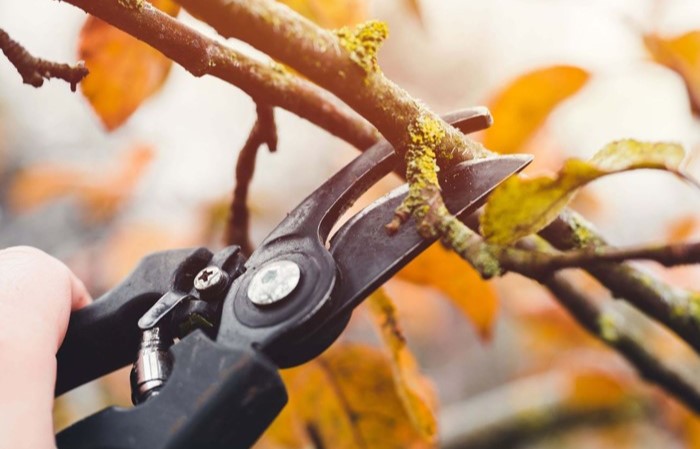
- Autumn pruning: This is important for improving tree condition and preparing them for the next season. This pruning includes removing branches broken during harvest and cutting off branches with dry leaves or those infected with fungal diseases and wood-boring pests. This helps prevent the spread of diseases and pests, and also avoids moisture accumulation and weed growth. Autumn pruning helps trees store enough energy for better growth and fruiting during winter dormancy.
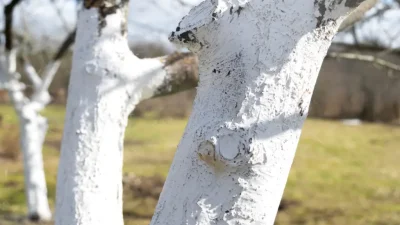
- Painting tree trunks: This is a vital practice for maintaining tree health in cold seasons and has positive effects in reducing damage caused by temperature fluctuations. Temperature changes cause cracks in the trunk bark, which can lead to the entry of diseases and pests. To prevent these problems, paint tree trunks with light-colored paints, especially white, prepared as water-based solutions with copper additives.
These paints reflect more sunlight, preventing excessive trunk heating and reducing the temperature difference between day and night. Note that oil-based paints are not suitable for this purpose because they block bark pores and restrict tree respiration.
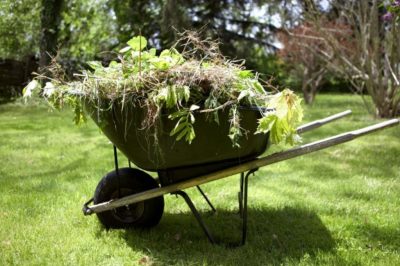
Orchard floor sanitation: This is one of the key principles for preventing pests and diseases in orchards and helps reduce economic losses for growers. These measures include collecting plant residues, removing dead branches, and eliminating weeds. Plant residues such as fallen leaves and fruits can serve as a source for disease and pest development. Therefore, collecting and destroying these residues prevents the spread of health problems. Also, dry branches, which may over time become gathering places for diseases and pests, should be removed from the orchard to provide a cleaner environment for the trees. Weeds can also act as potential hosts for various pests and diseases and compete with main trees for nutrients and moisture. Thus, eliminating weeds removes unnecessary competitors and creates better conditions for healthy tree growth. By implementing these sanitation measures, growers can create a healthier environment less prone to diseases and pests, thereby improving the productivity and health of their orchards.
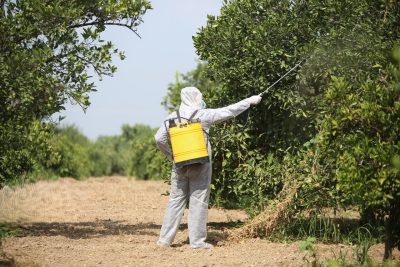
- Controlling winter pests and diseases: In winter, controlling orchard pests requires special attention because not all pests are active the same way during this season. Different pests spend winter in various ways; some live in the soil, under the bark of trees, and others on branches. Controlling overwintering pests that live in the soil or under tree bark is not effective in winter, and delaying it until spring or summer will be more effective. On the other hand, pests such as scale insects and mites that spend winter on tree branches can be controlled using mechanical and chemical methods. In this regard, spraying in late winter, when temperatures have risen and conditions are more suitable for pest activity, has the greatest effect. Spraying in early or late autumn or at the beginning of winter may not have much effect. To control these types of pests, using special oils at the end of winter is very effective. However, care must be taken that the amount of these oils complies with guidelines to avoid potential problems.
These post-harvest horticultural practices not only help maintain tree health and productivity, but also prepare them for the next growing season. Paying attention to each of these steps can help increase the quality and quantity of future crops.